Wystąpienie dr Katji Castryck-Naumann „Decolonising world trade: UNCTAD, the Instytut Morski (Gdansk) and the circulation of knowledge”
Serdecznie zapraszamy na wystąpienie pt.
Decolonising world trade: UNCTAD, the Instytut Morski (Gdansk) and the circulation of knowledge
które poprowadzi dr Katja Castryck-Naumann z Leibniz Institute for the History and Culture of Eastern Europe (GWZO), w ramach projektu NextGenPhDs NAWA STER– Umiędzynarodowienie szkół doktorskich.
Spotkanie odbędzie się w ramach zebrania Zakładu Historii Społecznej XIX i XX wieku 12 kwietnia 2024 r. o godzinie 10.00 w IH PAN (Rynek St. Miasta 31, s. 42).
The history of experts and expertise, and the ways in which knowledge circulates across borders and regions, has become a burgeoning research field in recent years. This presentation will focus on a particular group of experts, those employed in the administrations of international organisations. International civil servants were obliged to serve the internationalist goals of their organisation rather than the parochial goals of nation states. As a result, they had potentially greater autonomy in the world of state-driven international politics. The lecture will show such spaces of action and political impact in the light of Polish experts in the field of world trade policy and its domain of international shipping. Most of the world’s trade is transported by ship. Therefore, the conditions of overseas transport are of great importance – both for shippers from all over the world and for the international regulation of the sector. To this day, shipping is a business dominated by a few strong players, the large shipping companies of the former traditional maritime empires. The United Nations Conference on Trade and Development (UNCTAD) was set up in 1964 to decolonise world trade, including maritime trade and transport. In the UNCTAD Secretariat, the administrative body, and in its Department of Invisibles (DI), which dealt with shipping issues, shipping was seen as an „instrument of empire” requiring political-economic intervention. This paper will show that the DI played a crucial role in setting UNCTAD’s agenda on international shipping – leading to landmark UN resolutions and an international convention against imperial monopolies in liner shipping. Its strong position stemmed from its extensive networks involving shipping experts from all parts of the world, including socialist Eastern Europe, and in particular experts from the Maritime Institute in Gdansk. Tracing the history of knowledge transfer from Gdansk and Warsaw into the international sphere of economic policy is instructive for both the role of international bureaucracies and its experts n international policy, and the place of Polish expertise within them.
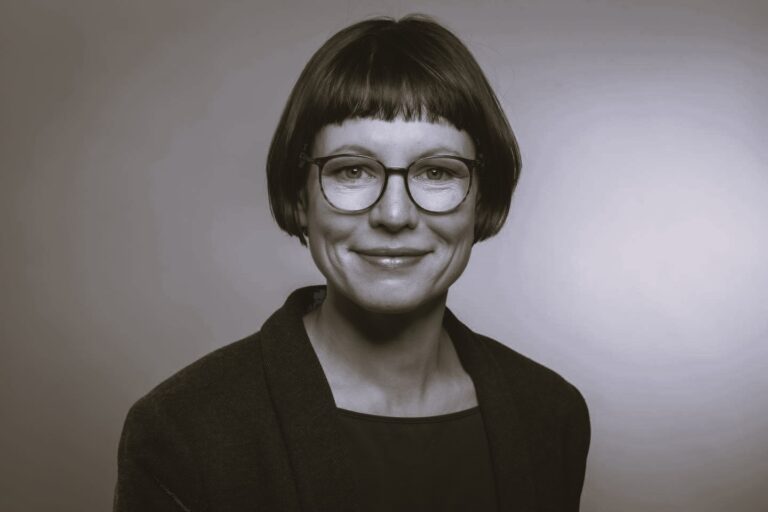
Katja Castryck-Naumann is a senior researcher at the Leibniz Institute for the History and Culture of Eastern Europe (GWZO) and teaches at the University of Leipzig. She works on the global history of East-Central Europe with a focus on international organisations. She recently edited a volume on „Transnational Connections in the History of East Central Europe” (de Gruyter) and is working on a monograph on the politics of experts in UN administrations and their impact on international health, trade and social sciences.