


„Measuring the Nation” – Conference Report
A month has passed since we had the pleasure of welcoming leading researchers from Poland and abroad to the international conference “Measuring the Nation. Collecting, Interpreting, and Digital Processing of Historical Data”. The conference took place from 29 September to 1 October 2026 and was organised by the Tadeusz Manteuffel Institute of History of the Polish Academy of Sciences, the German Historical Institute in Warsaw, and the Mazovian Local Government Centre for Teacher Training, Warsaw Branch. The first two days of the conference were held at the German Historical Institute in Warsaw (Aleje Ujazdowskie 39), while the final day took place at the Institute of History of the Polish Academy of Sciences (Rynek Starego Miasta 31).
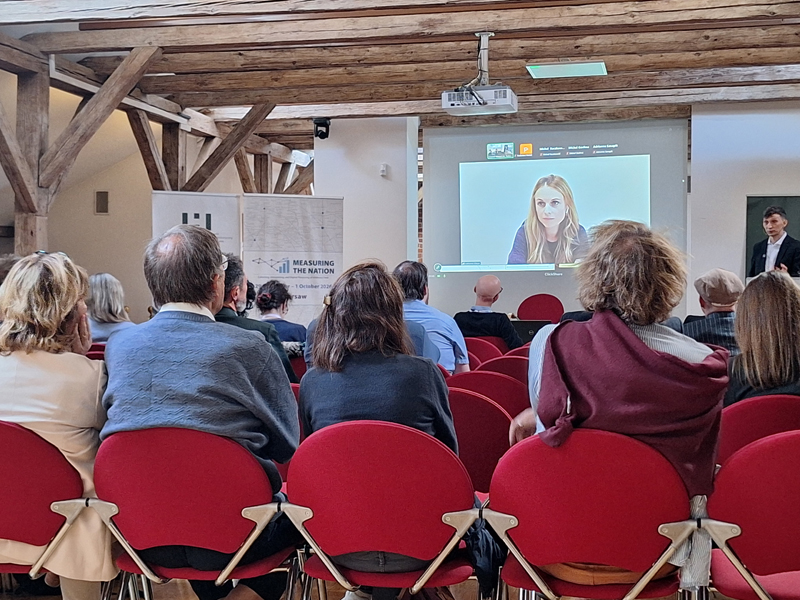
The conference was held in a hybrid format, allowing participants to attend in person or join via Zoom. The event was also streamed live on YouTube, attracting around 150 viewers each day. Recordings of the conference are available on the IH PAN YouTube channel:
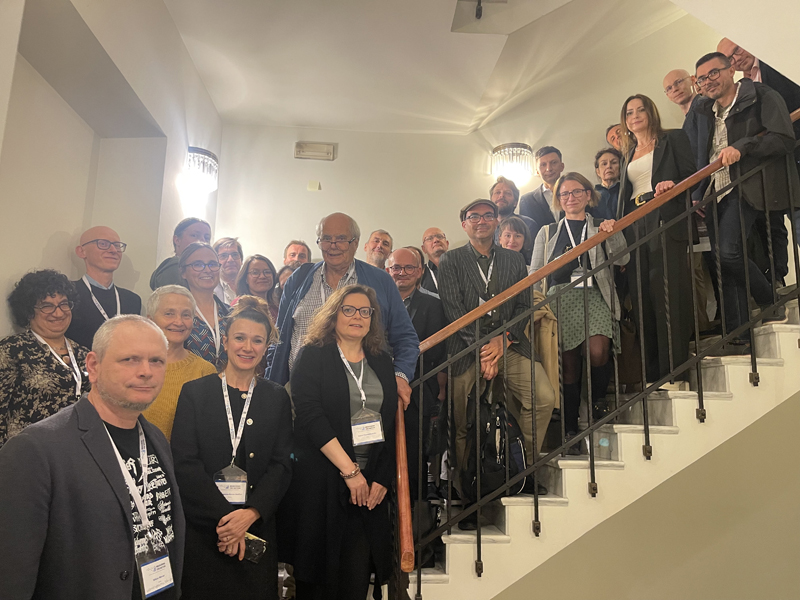
The conference brought together representatives of various academic institutions in Poland, as well as researchers from Austria, the Czech Republic, Estonia, France, Germany, the USA, Hungary, and Italy. The participants presented papers on topics ranging from demography and historical geography to the history of ideas and digital humanities. A common thread running through contributions was the reflection on the possibilities offered by the use of big data in historical research.
29 September
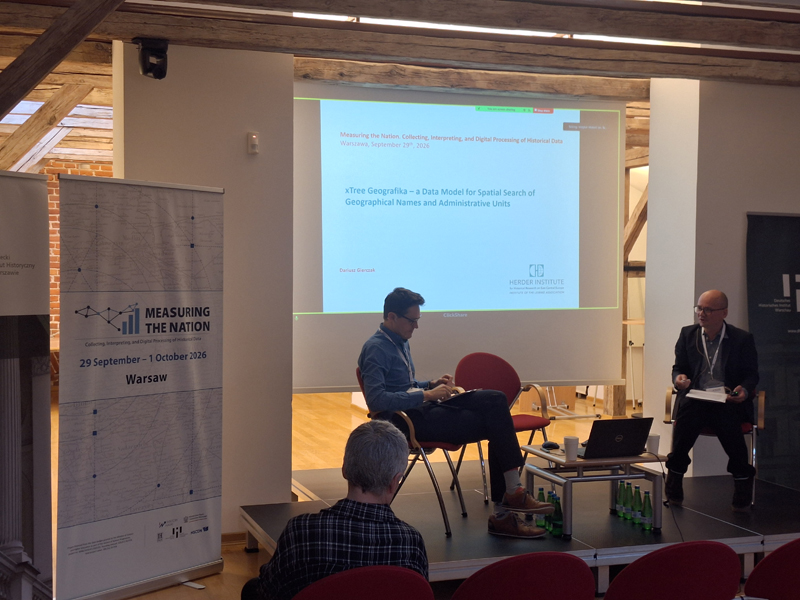
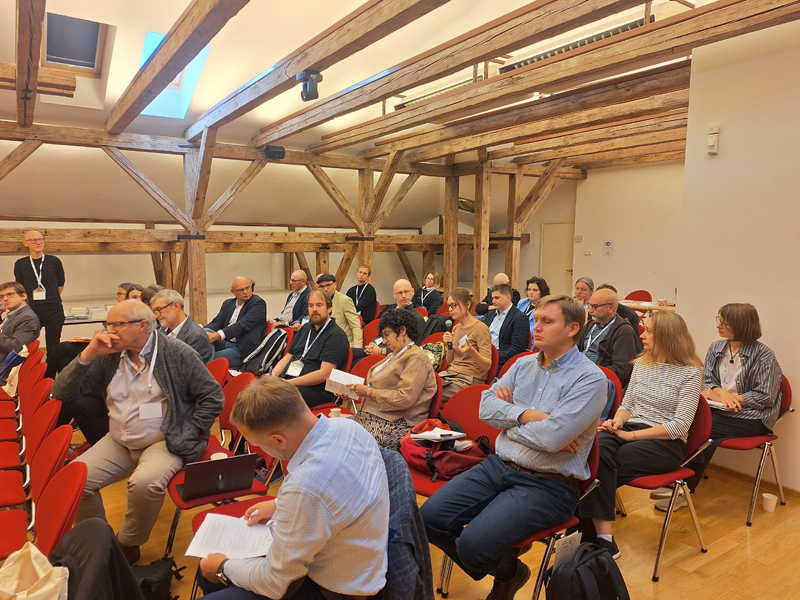
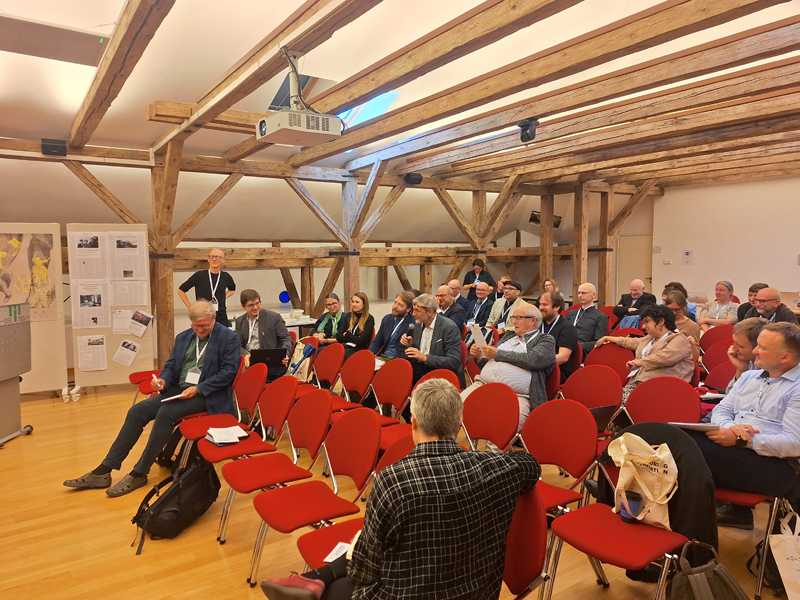
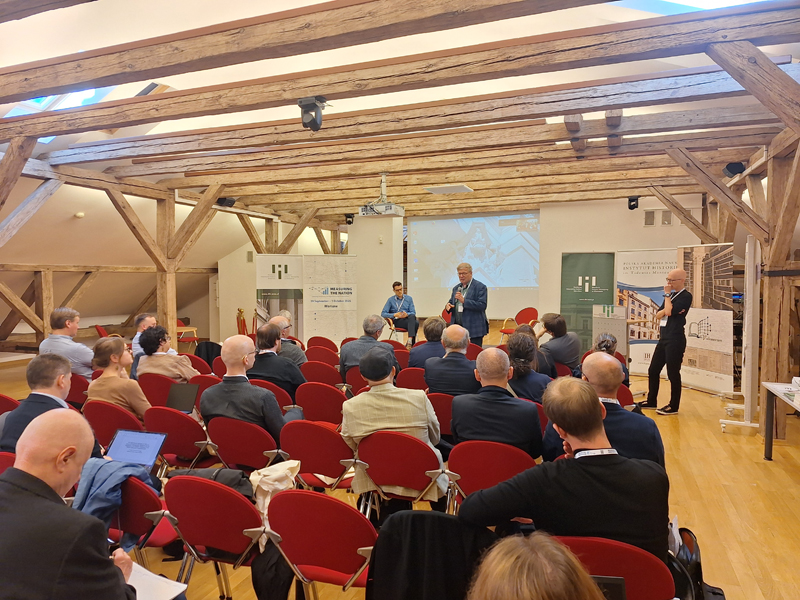
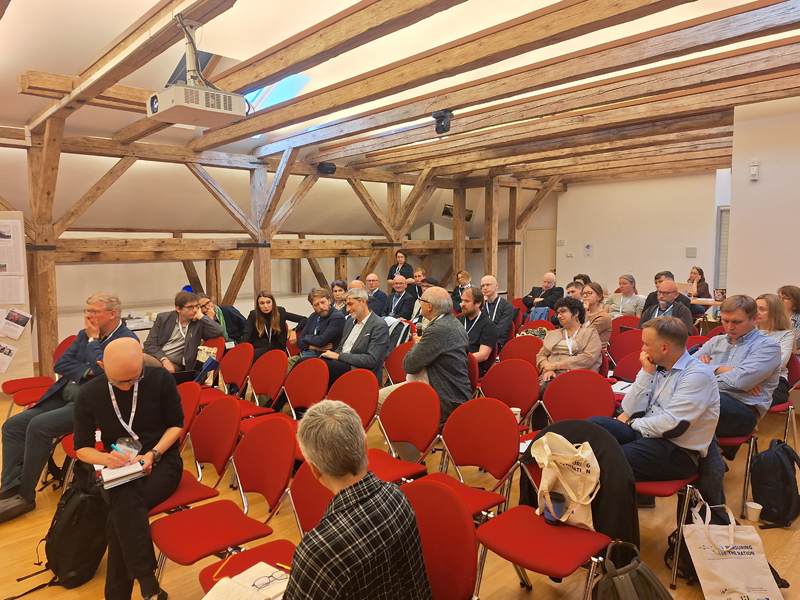
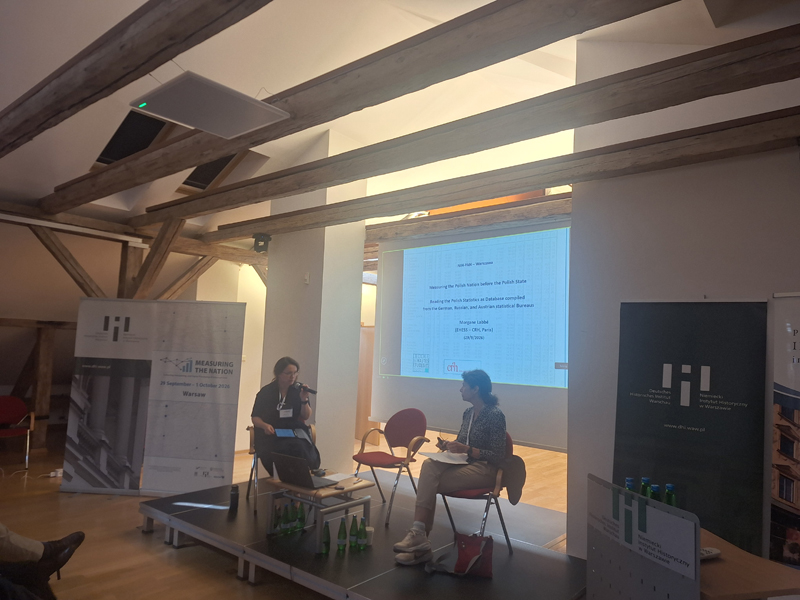
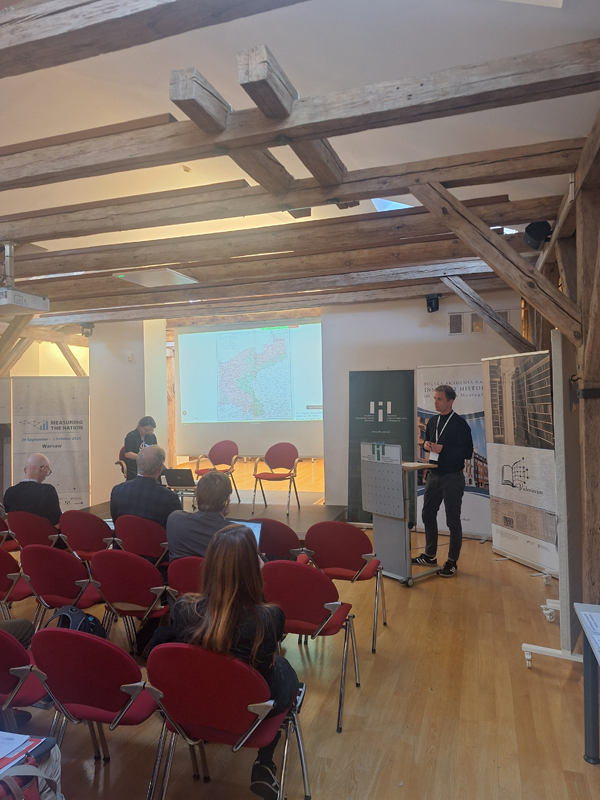
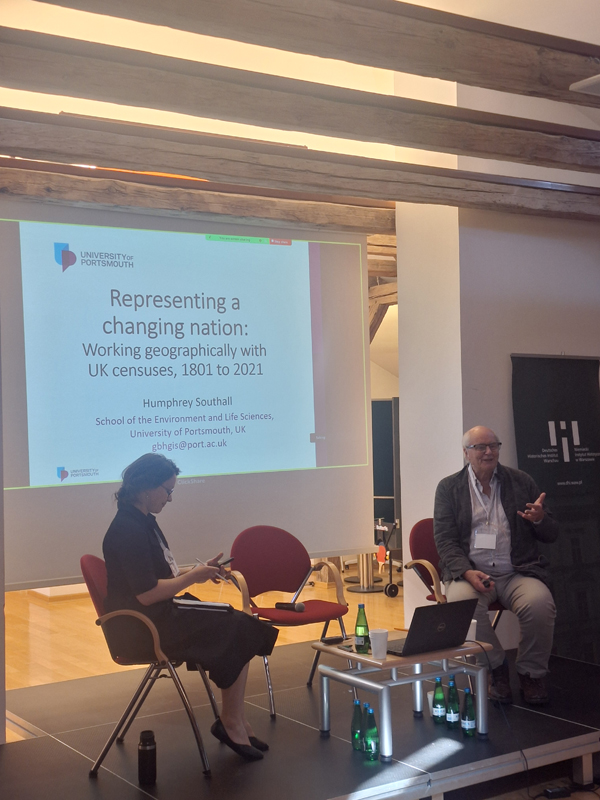
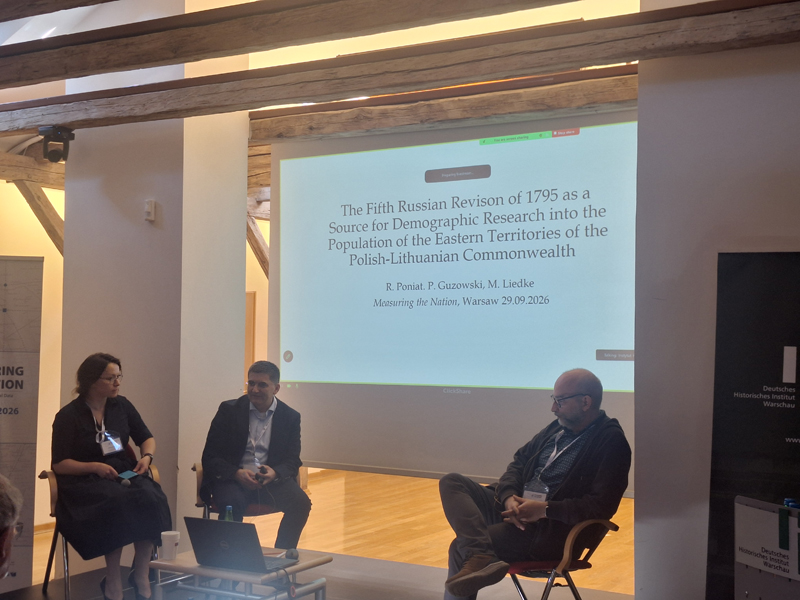
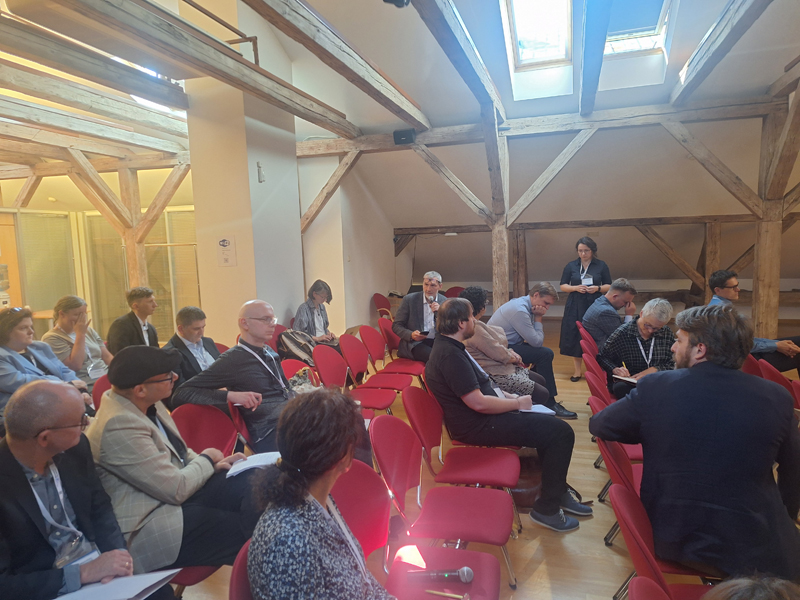
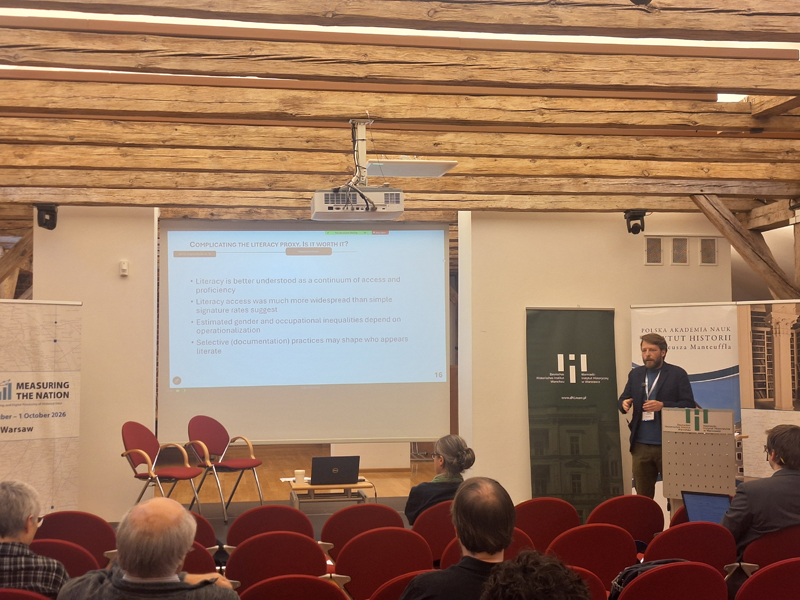
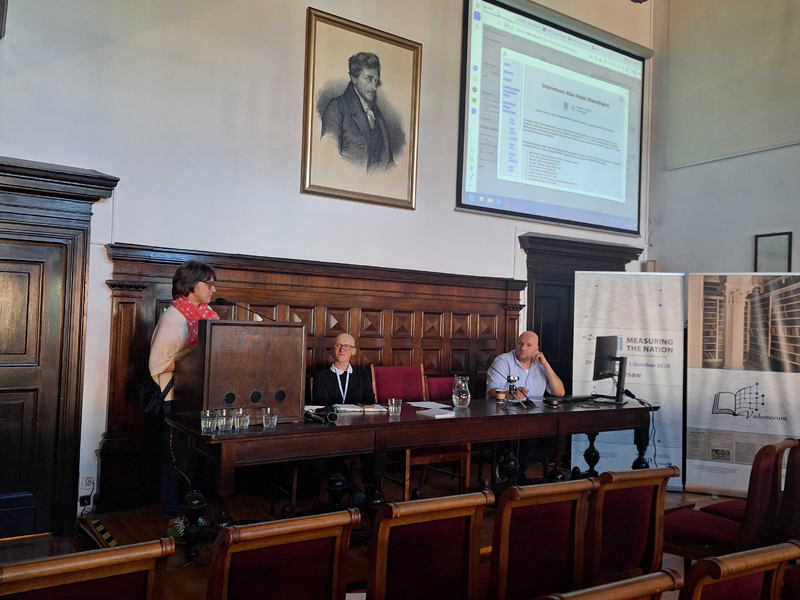
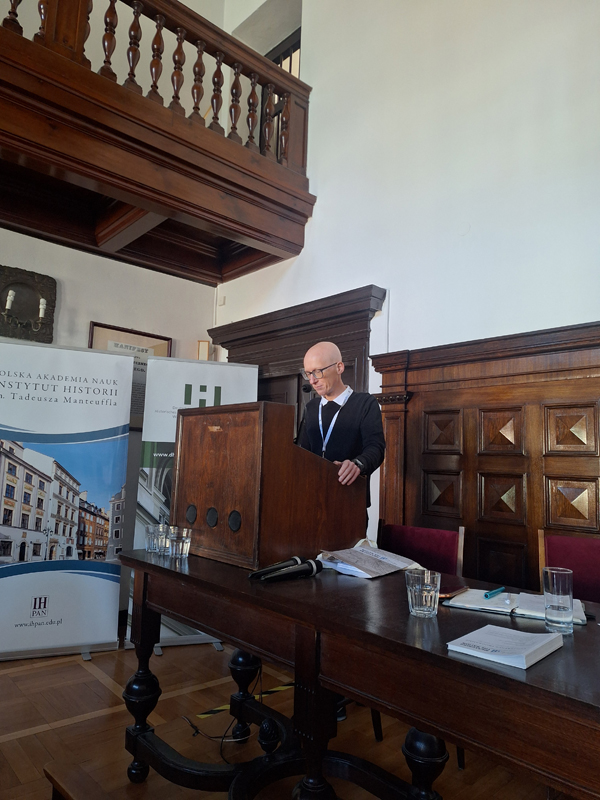
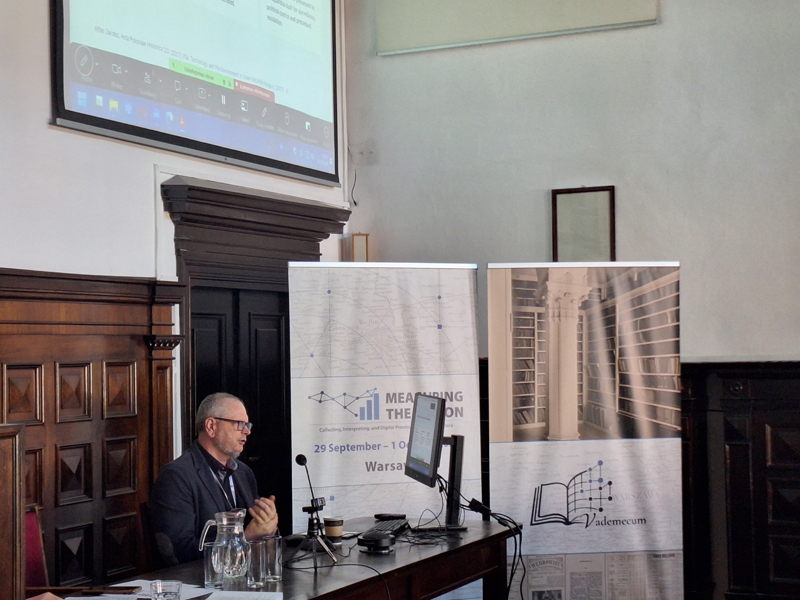
The conference was opened by Magdalena Saryusz-Wolska and Maciej Górny. Two sessions were held that day, featuring a total of eight papers. The first paper was delivered by Maciej Janowski, who raised important questions about whether knowing an ever-increasing number of facts contributes significantly to our understanding of the past. This perspective contrasted to some extent with the presentations by Krzysztof Ostafin, Anne Knowles, and Dariusz Gierczak, which focused on the use of GIS in historical research. Tomasz Panecki chaired this part of the proceedings. The second session focused on statistical sources, with papers presented by Morgane Labbé, Phillip Kröger, Humphrey Southall, Piotr Guzowski, Radosław Poniat, and Marzena Liedke. The discussion was chaired by Wiesława Duży. The first day of the conference concluded with a keynote lecture by Bartosz Ogórek of the Institute of History of the Polish Academy of Sciences in Warsaw, entitled ‘A Proxy or a Delusion? Variable Design in Research on Historical Human Capital’. Drawing on his own research, he explored the insights that can be gained from analysing signatures on historical documents. A recording of the lecture is available here:
Galeria zdjęć
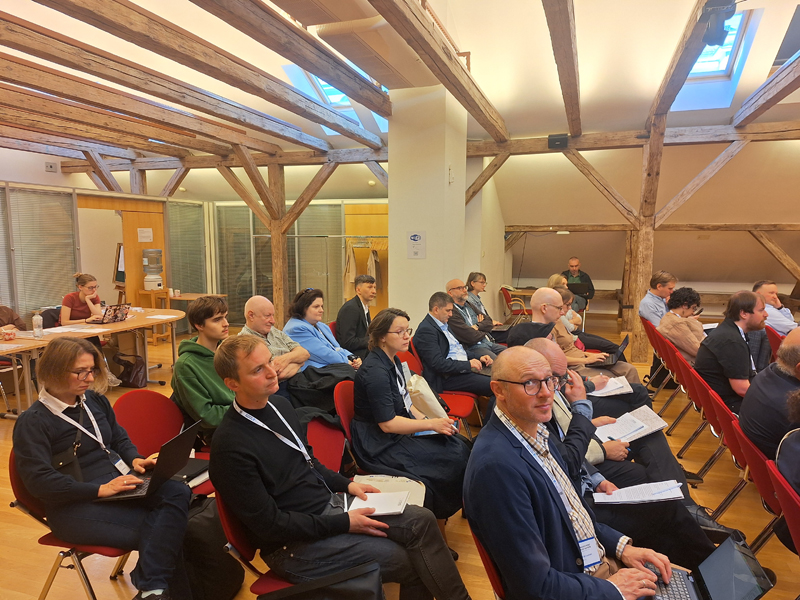
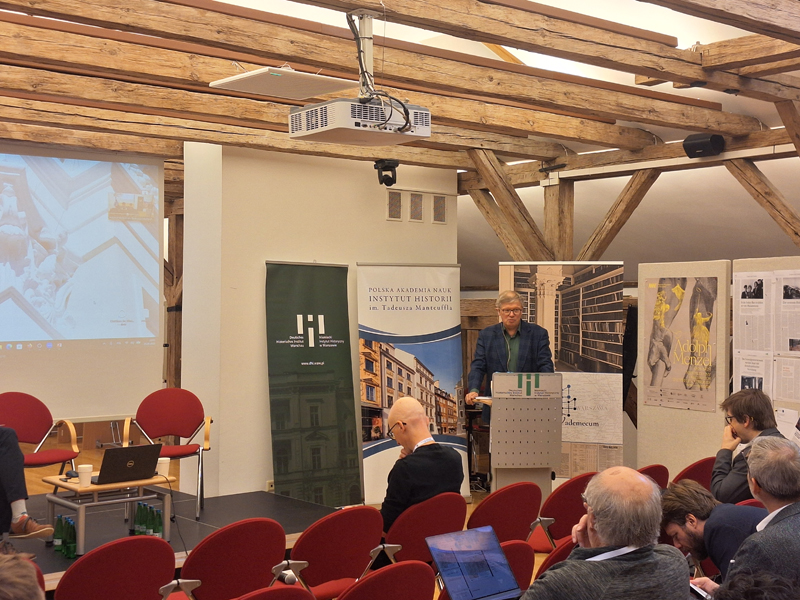
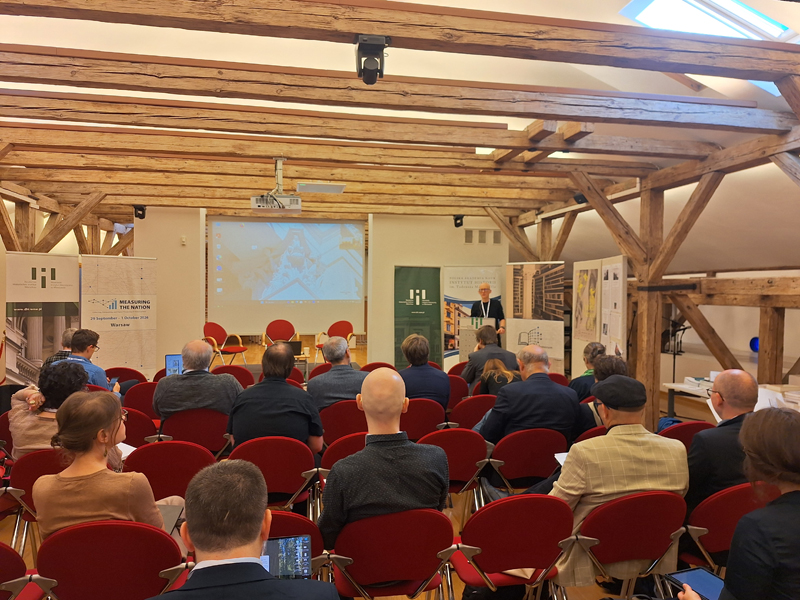
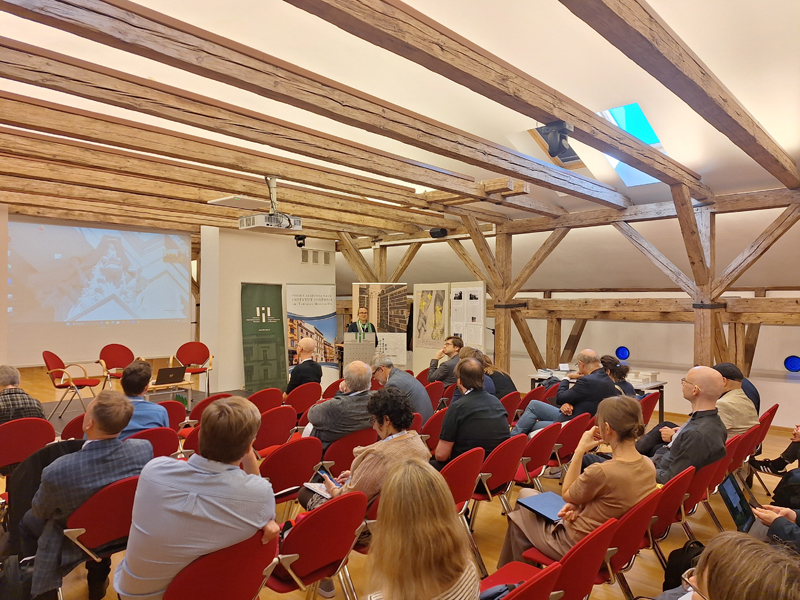
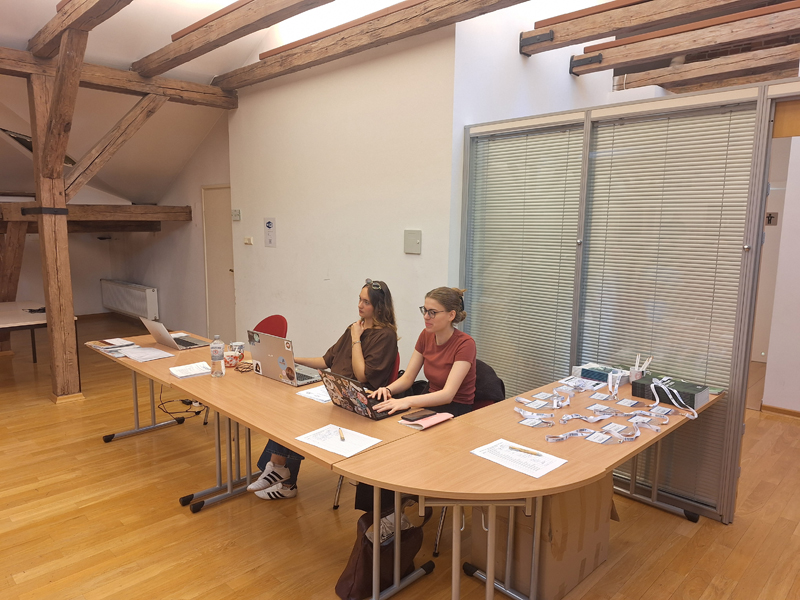
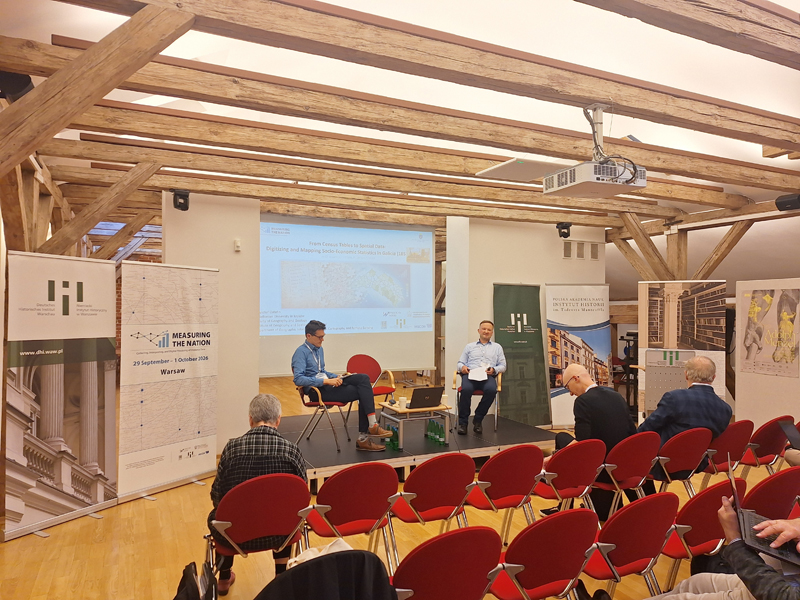
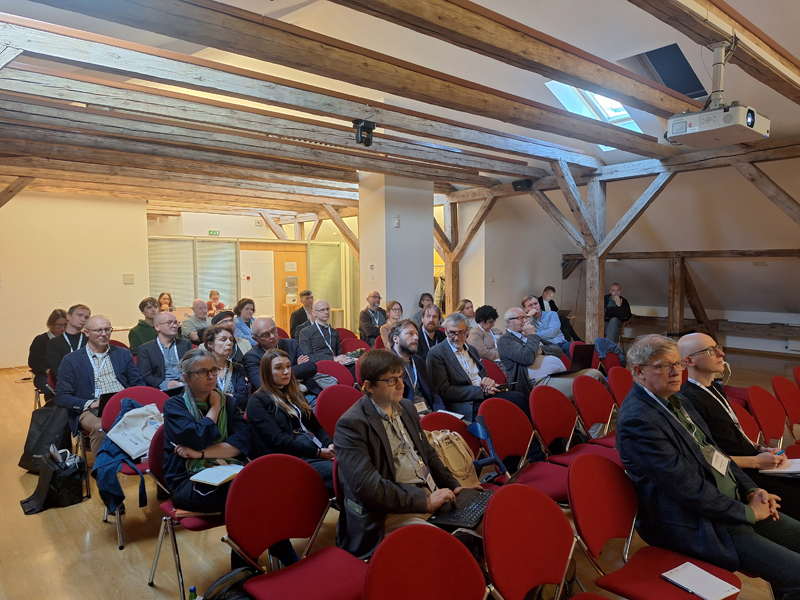
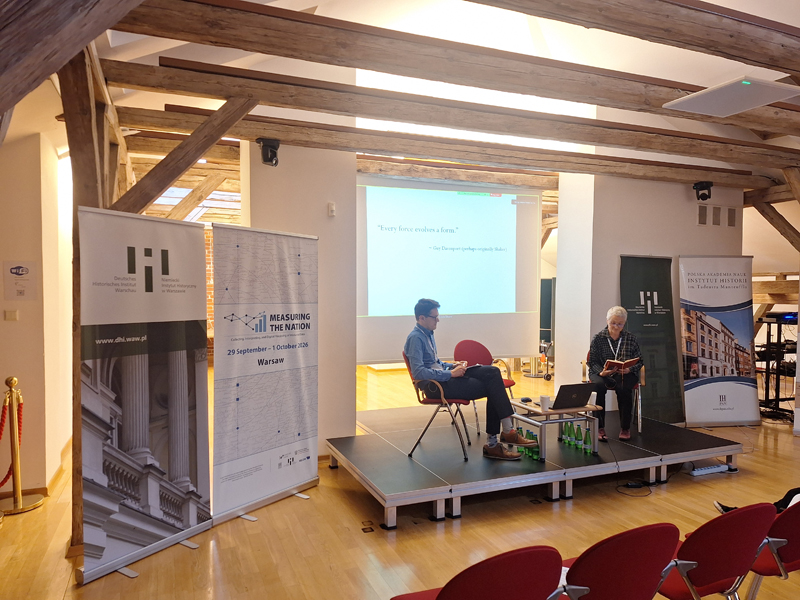
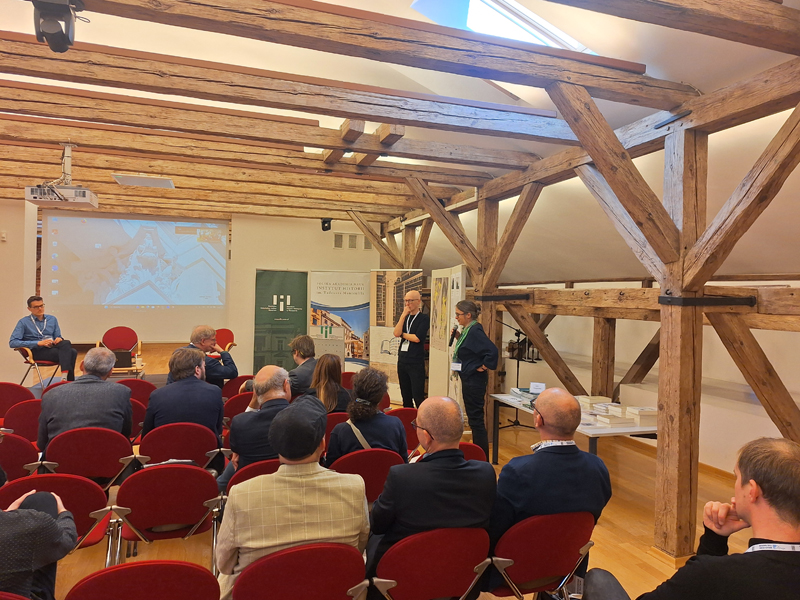
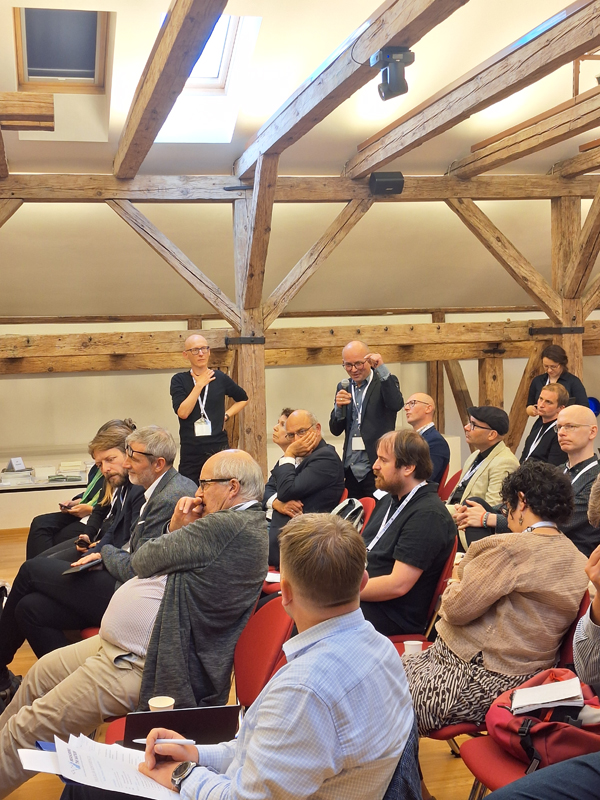
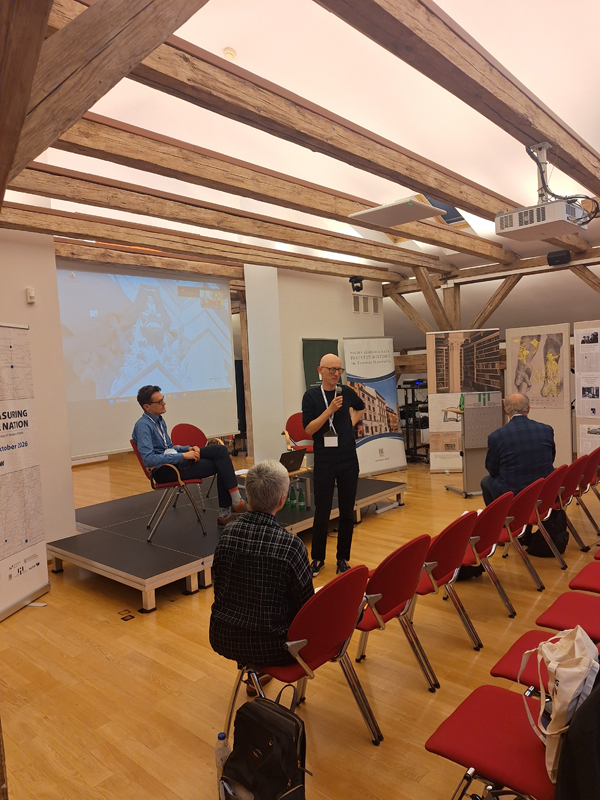
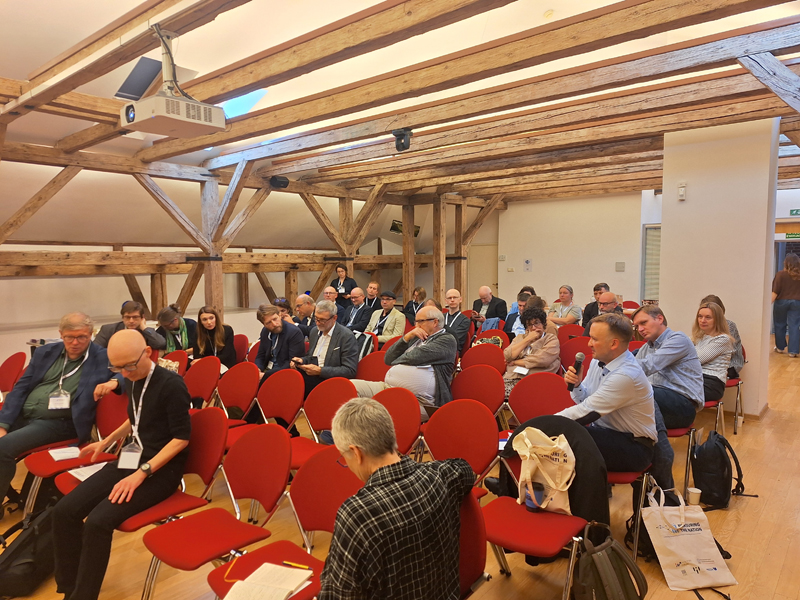
30 September
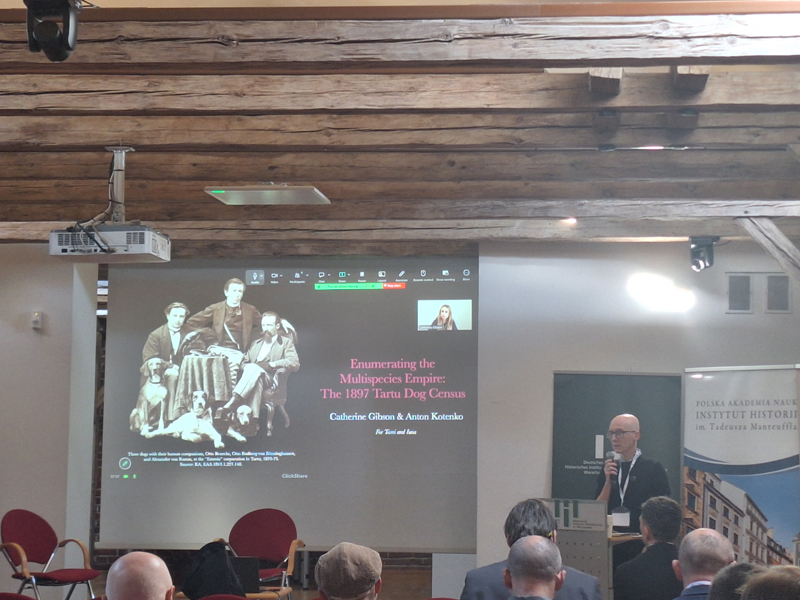
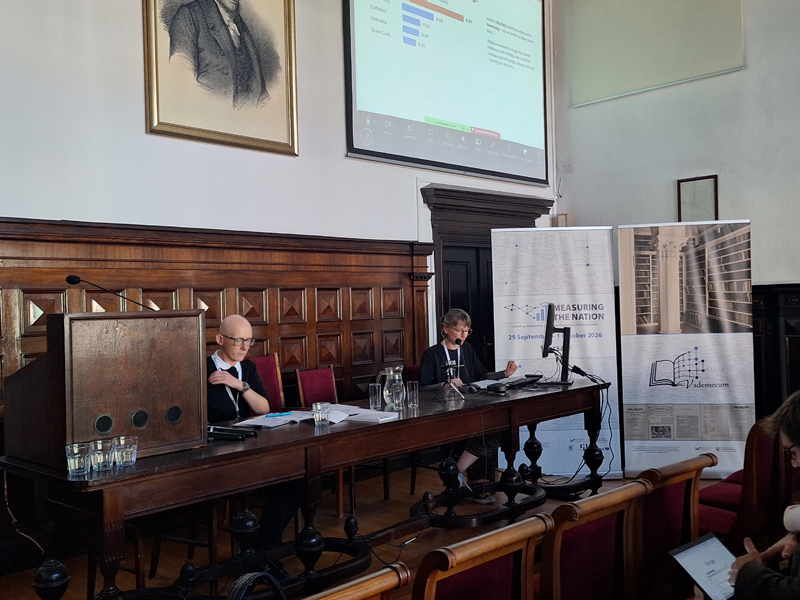
The second day began with a keynote lecture by Catherine Gibson of the University of Tartu and Anton Kotenko of the University of Düsseldorf, entitled ‘Enumerating a Multispecies Romanov Empire: The 1897 Tartu Dog Tax Register and Canine Demography’. Using Tartu as a case study, the speakers presented the findings of their research into the first dog census in the Russian Empire in a highly engaging way. We encourage you to watch the recording of the lecture:
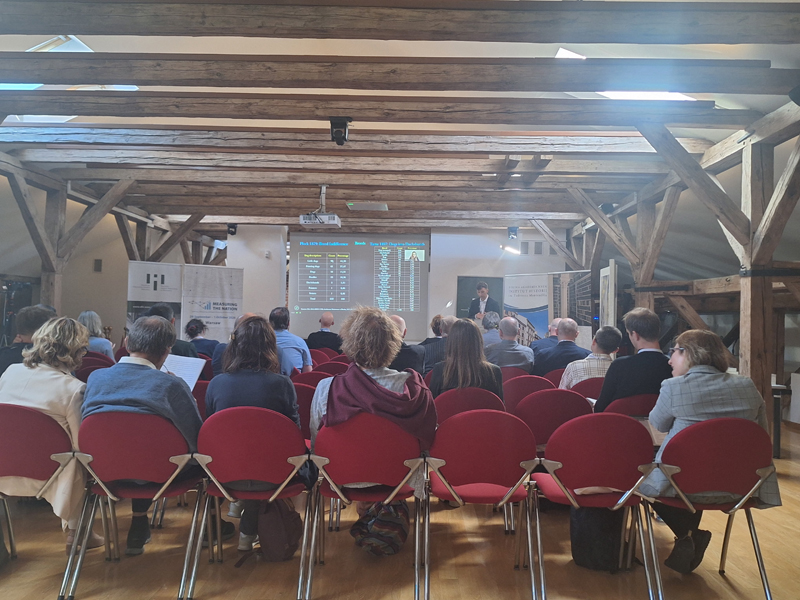
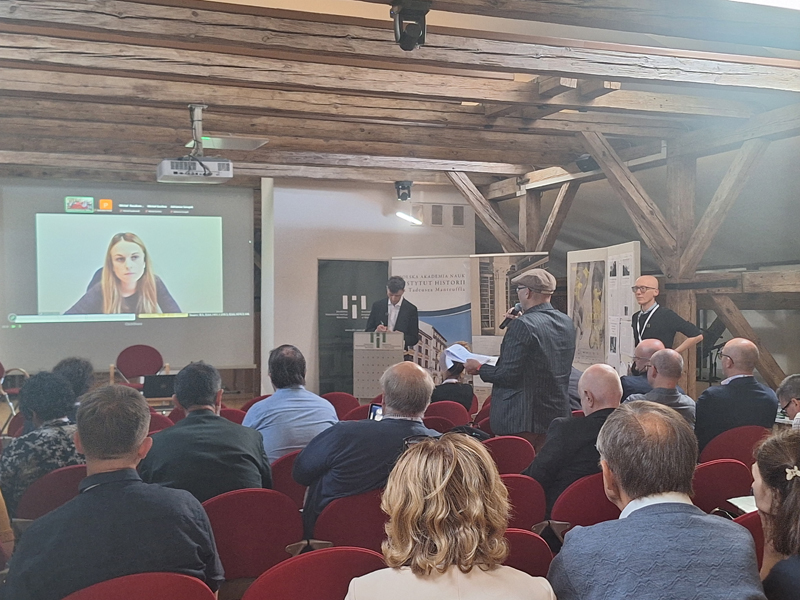
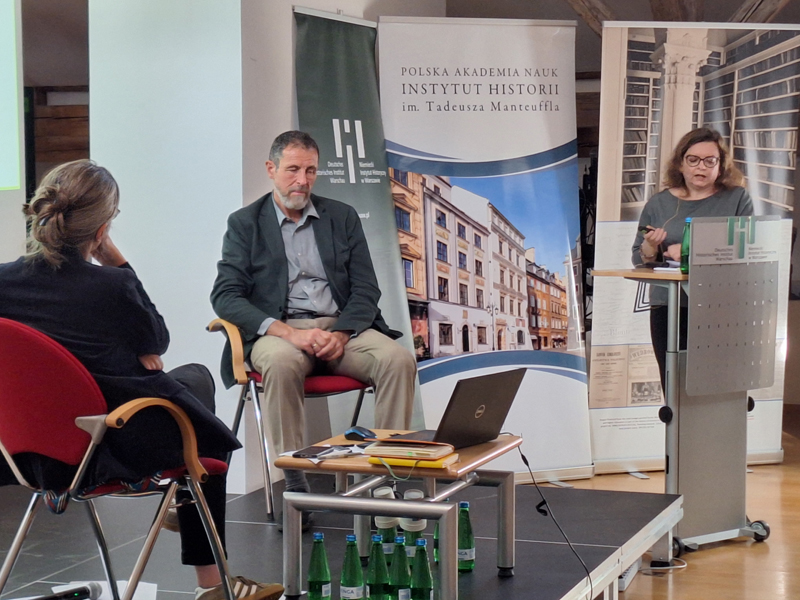
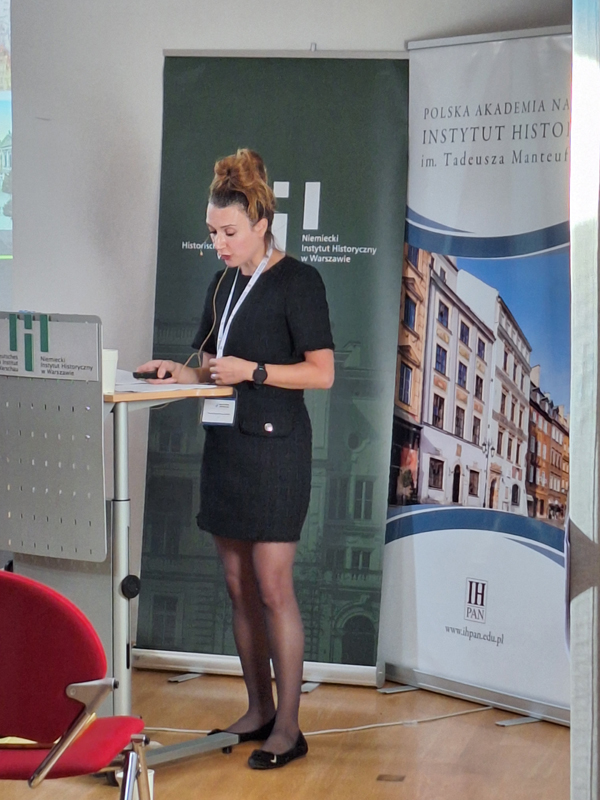
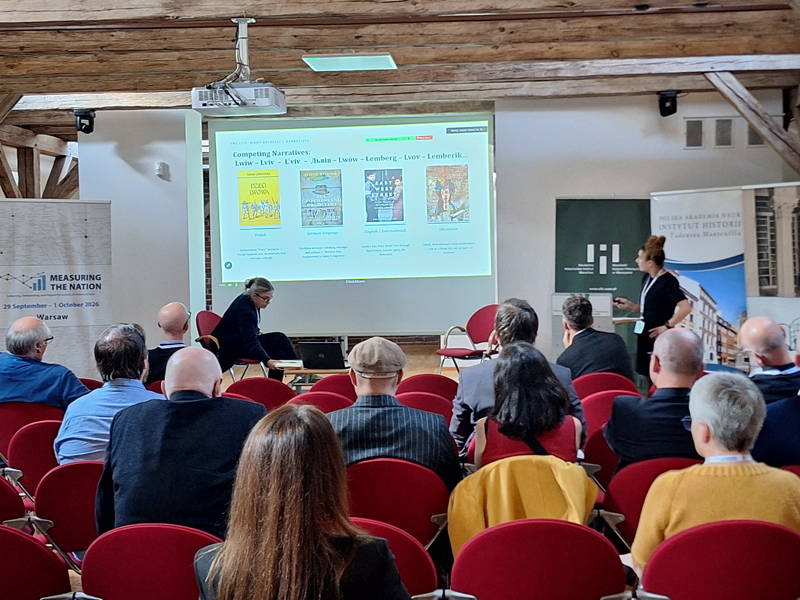
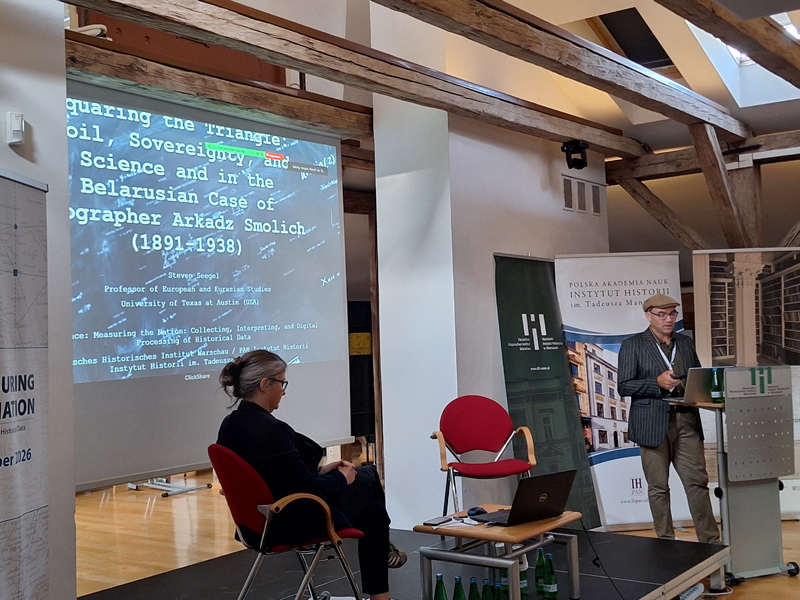
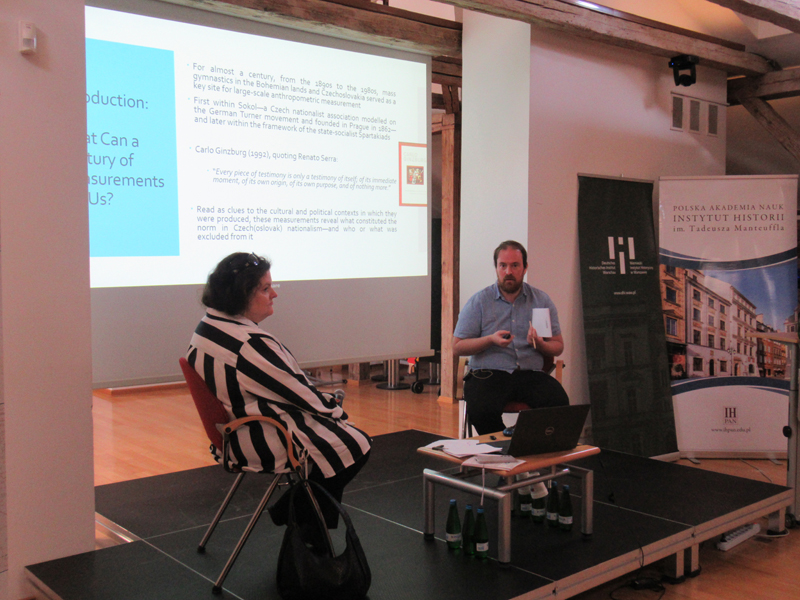
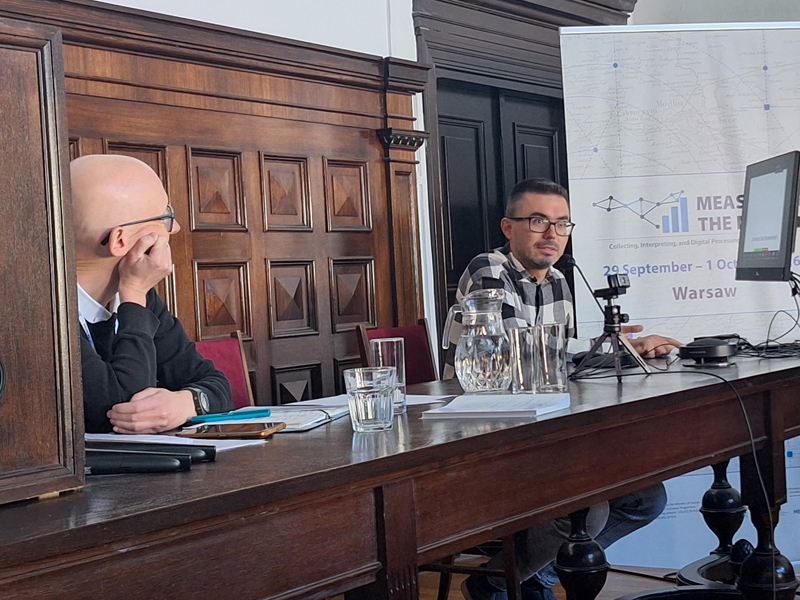
The third session was chaired by Adrianna D. Sznapik and featured presentations by Vojtĕch Pojar, Mikołaj Szołtysek, Tomasz M. Jankowski, and Sławomir Brzezicki. In keeping with the conference theme, the presentations explored various aspects of measurement, ranging from the human body and family systems to the analysis of census data on historical monuments. The fourth session was chaired by Magdalena Saryusz-Wolska. The speakers included Anton Kotenko, Edyta Chomentowska, Joanna Kumor-Mielnik, Marek Słoń, Magdalena Baran-Szołtys, and Steven Seegel. The topics covered during this session were diverse, and the discussions continued over dinner. Among the issues raised were the reliability of sources and the challenges of representing, in digital form phenomena that are difficult to measure or quantify.
Galeria zdjęć
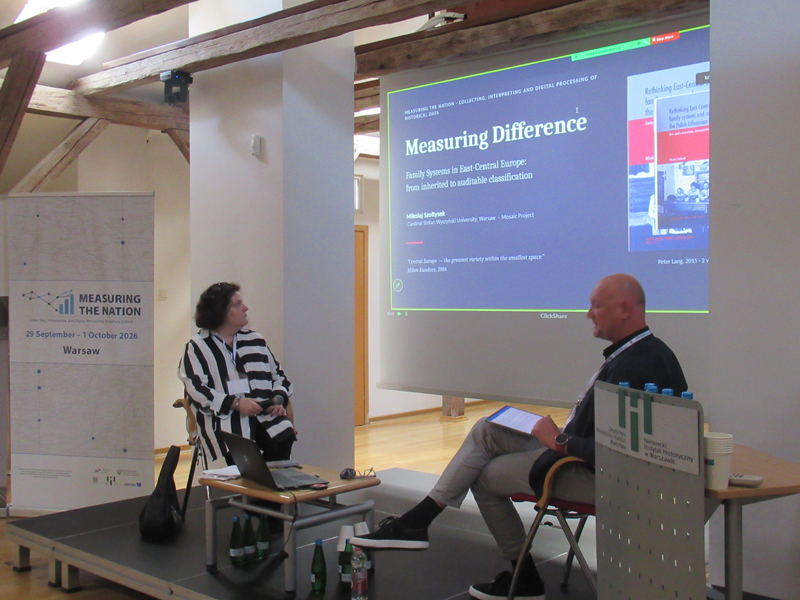
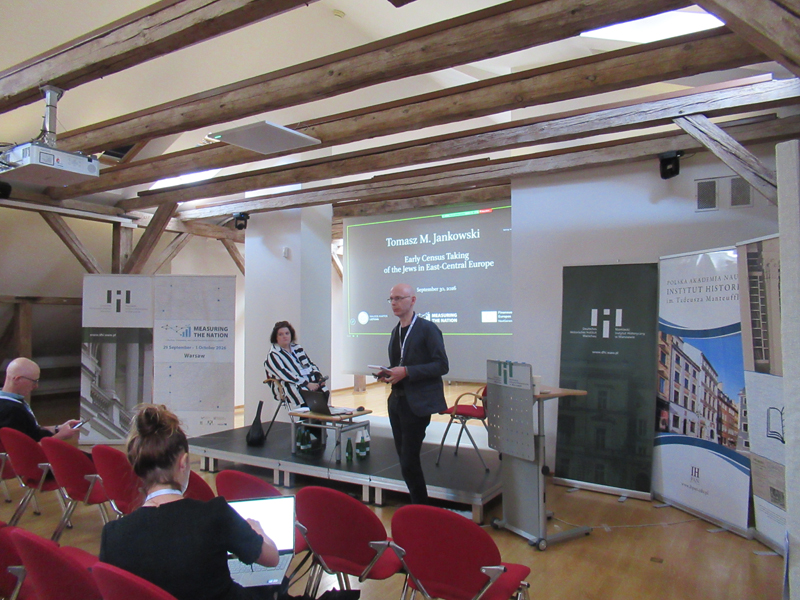
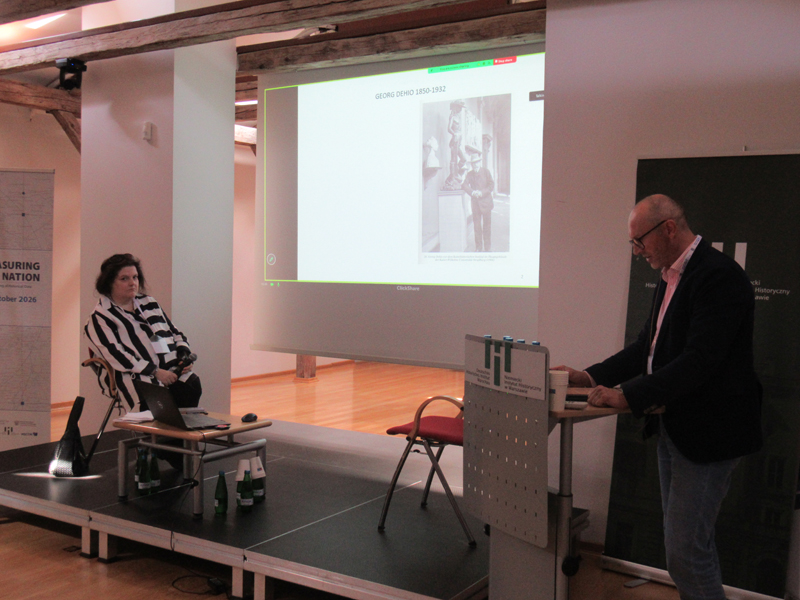
1 October
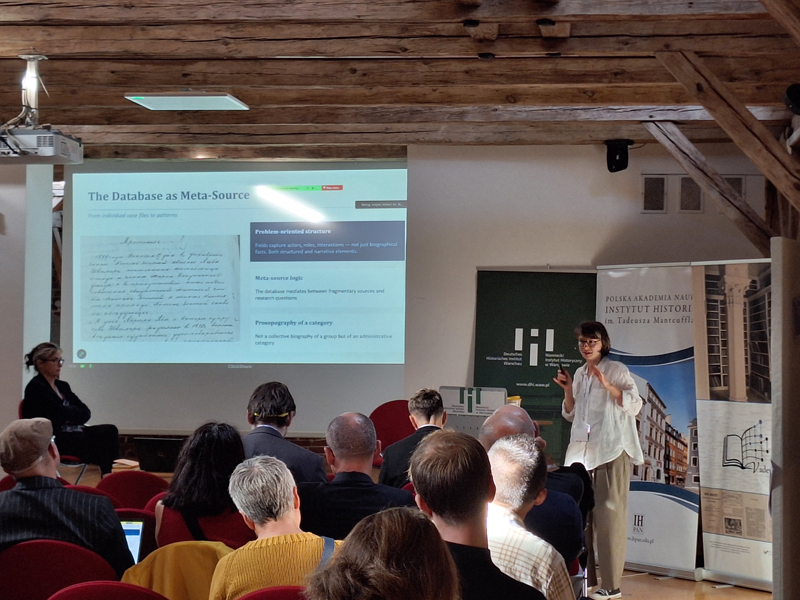
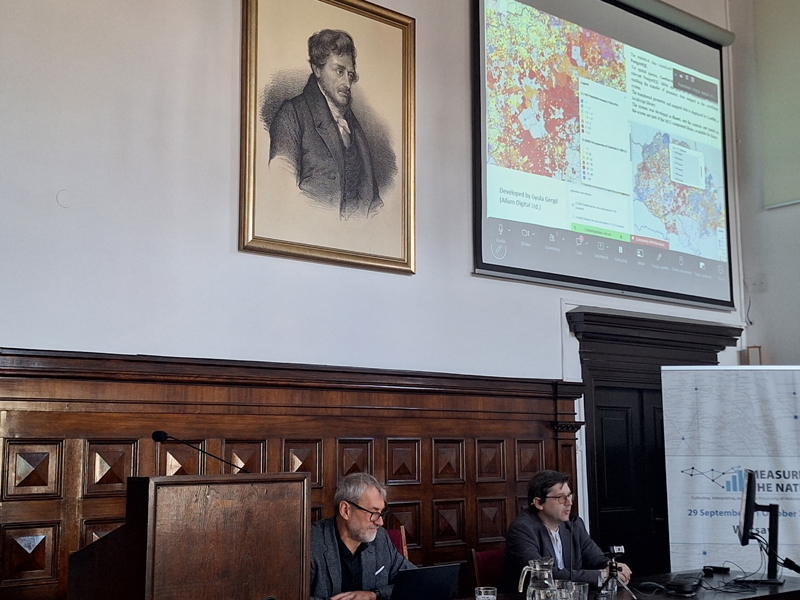
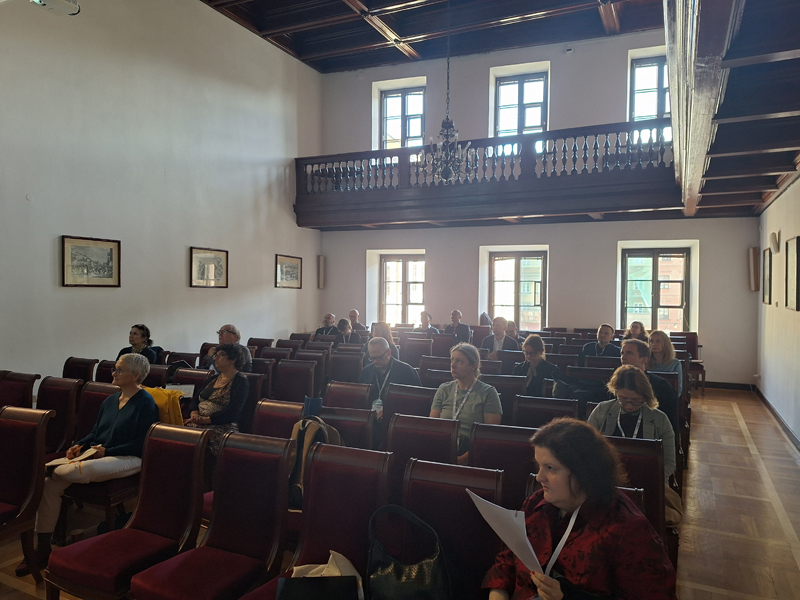
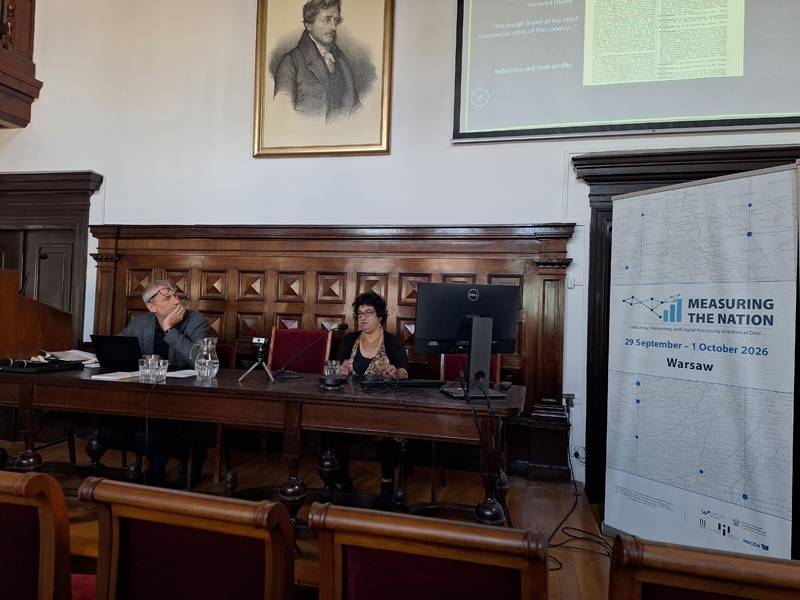
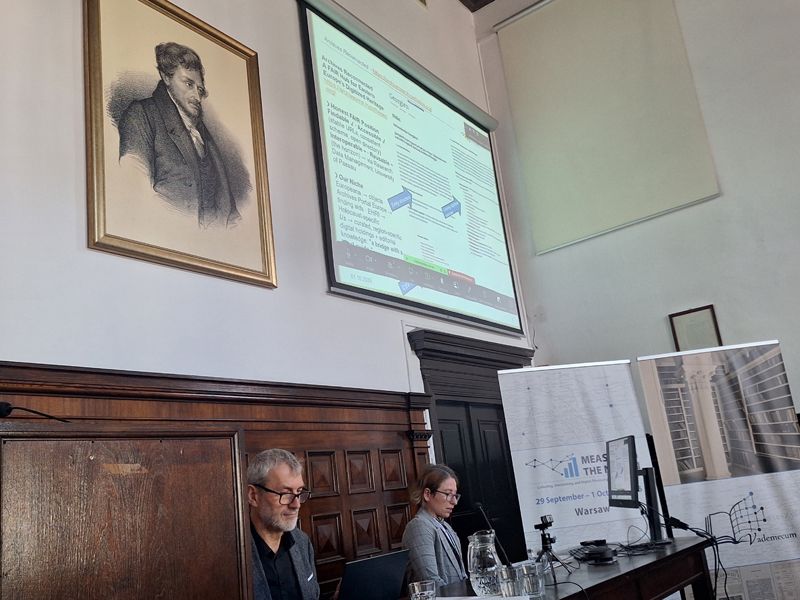
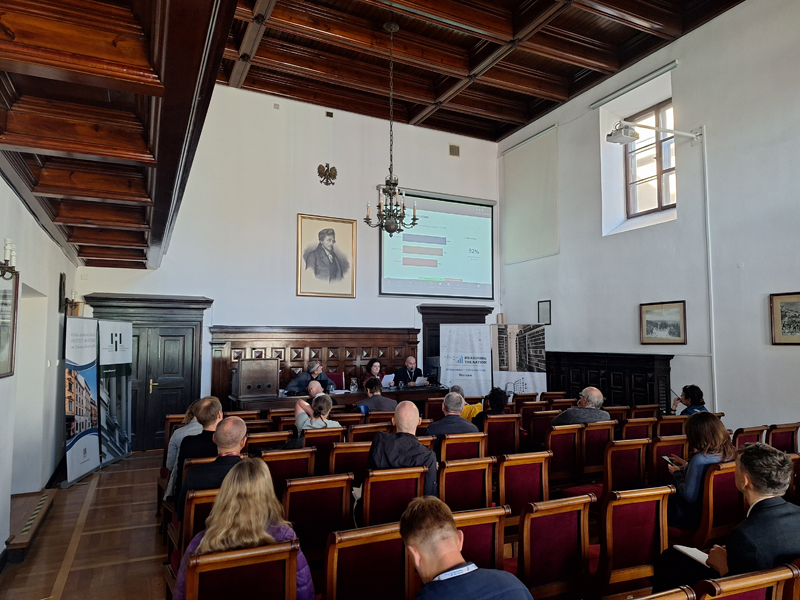
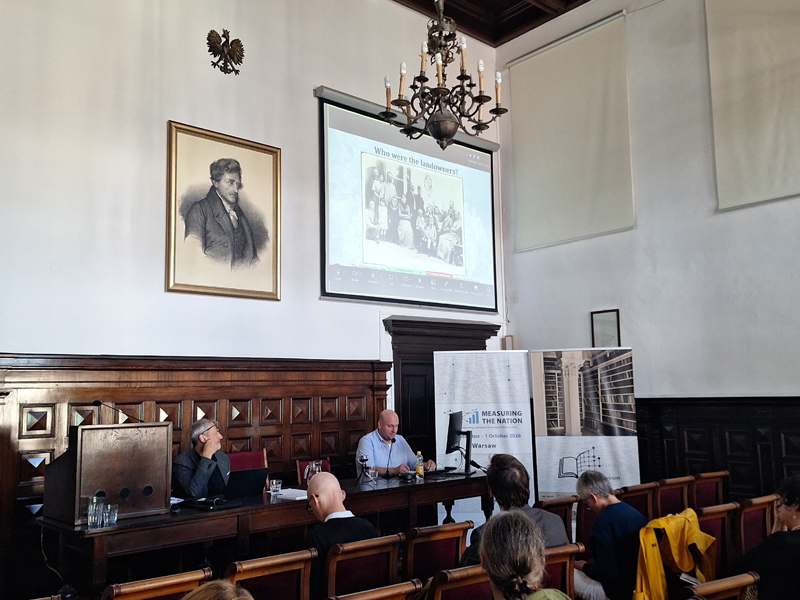
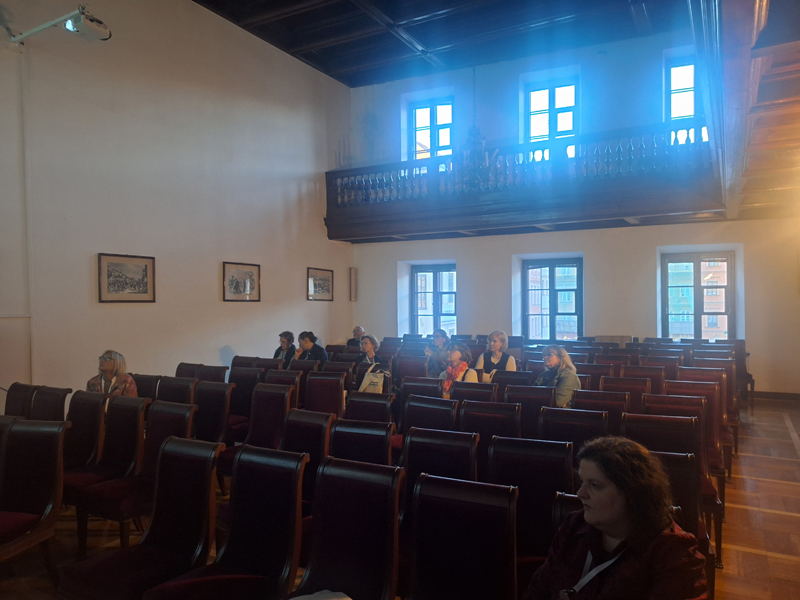
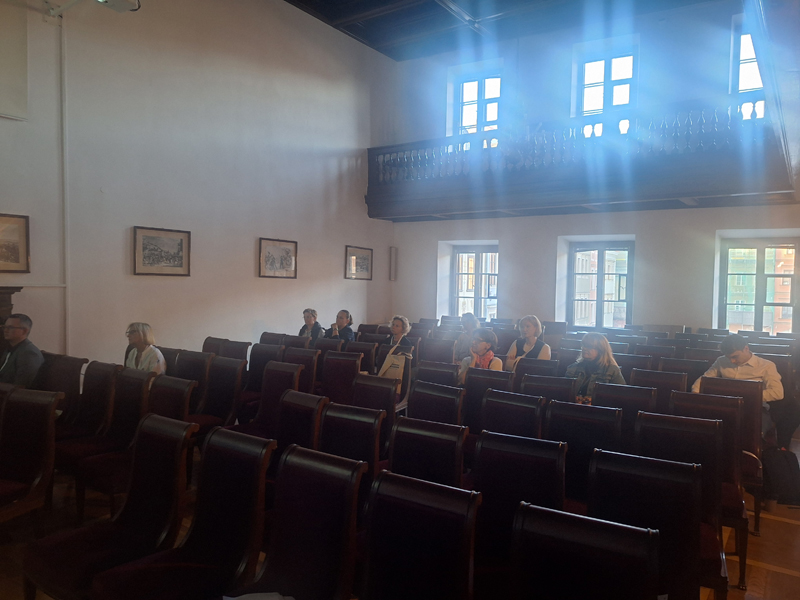
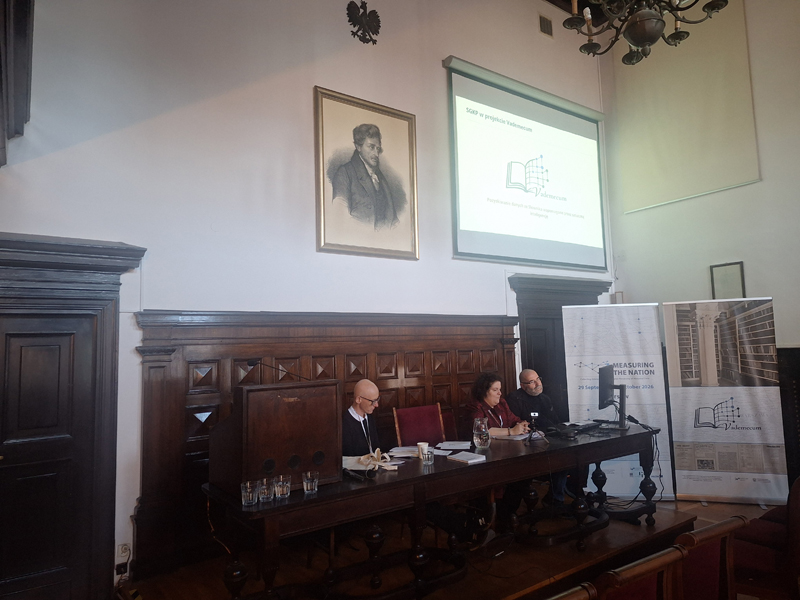
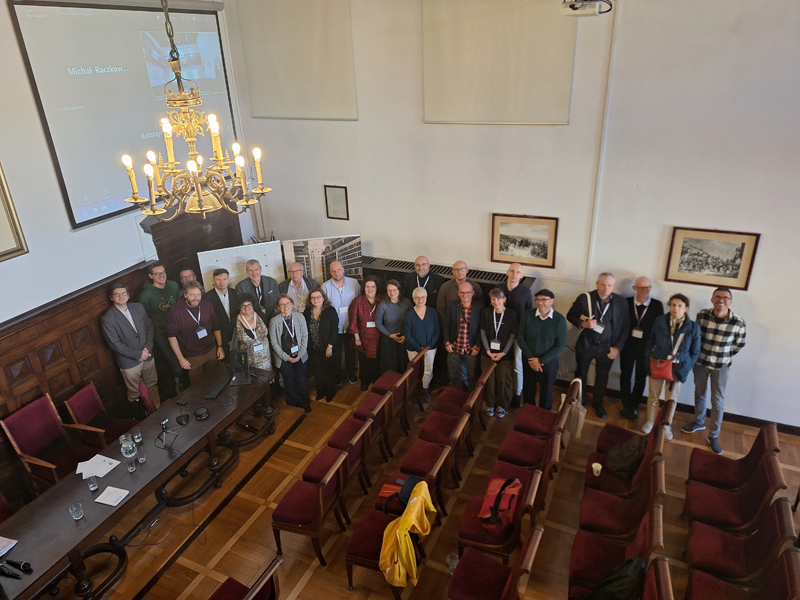
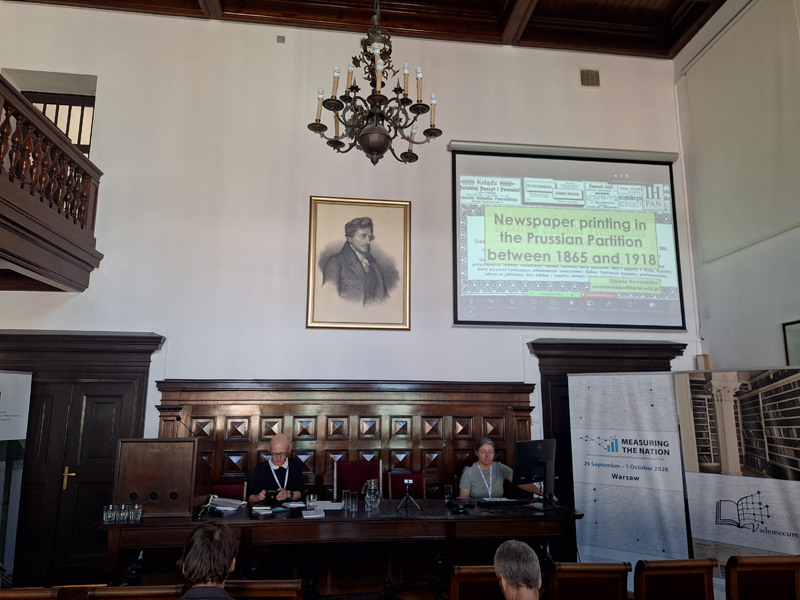
On the final day of the conference, the proceedings moved to Lelewel Hall at the Institute of History of Polish Academy of Sciences, located at Rynek Starego Miasta 31. The participants were welcomed by Bogumił Szady, who also chaired the fifth session. Papers were presented by Gábor Demeter, Ruth Mostern, Kristina Wittkamp, Adrianna D. Sznapik and Piotr Jaskulski. Michał Raczkowski also presented a paper co-authored with Tadeusz Epsztein. The final session of the conference was chaired by Maciej Górny. The final two papers of the fifth session and the first two papers of the sixth session presented findings from the project ‘The Cultural and Intellectual Geography of the Former Polish Lands under Partitions, 1865–1918. A Digital Vademecum’, which has been carried out at the Institute of History of the Polish Academy of Sciences since 2024. The sixth session featured papers by Elżbieta Nowosielska, Victoria Gerasimova, Wiktor Werner, and Timothy Tambassi. The final paper approached the question of data neutrality in historical research from a philosophical perspective. Professor Maciej Górny summarised the conference and brought the three-day proceedings to a close.
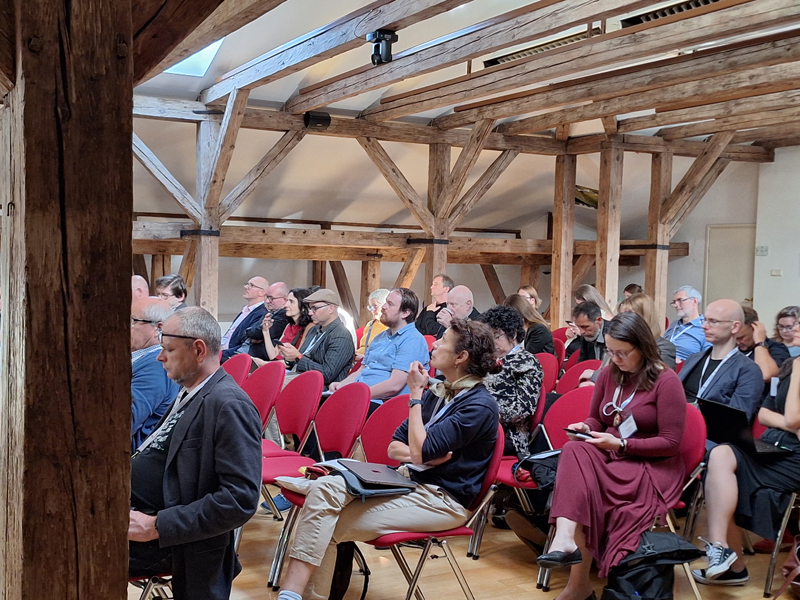
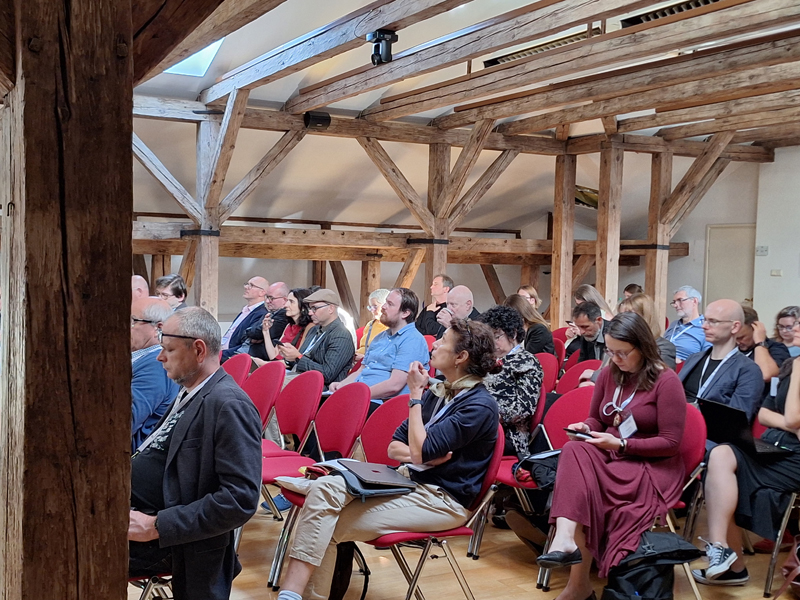
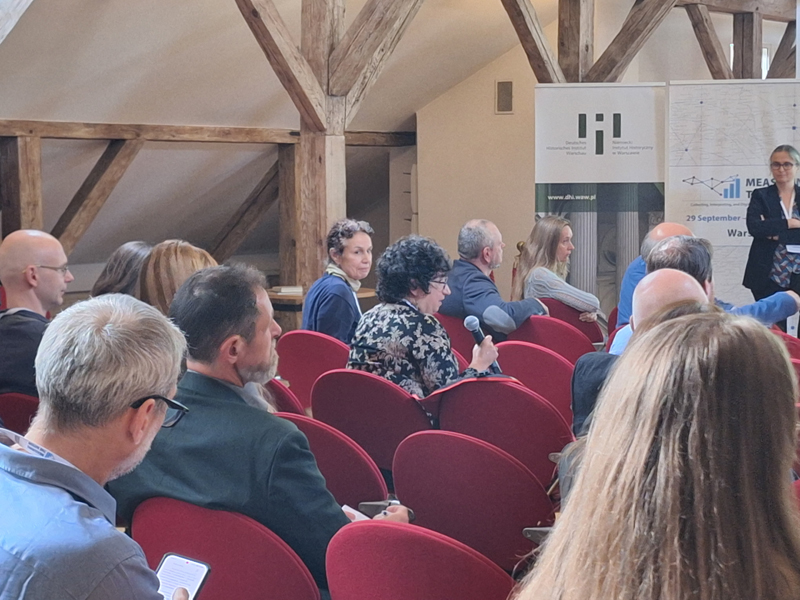
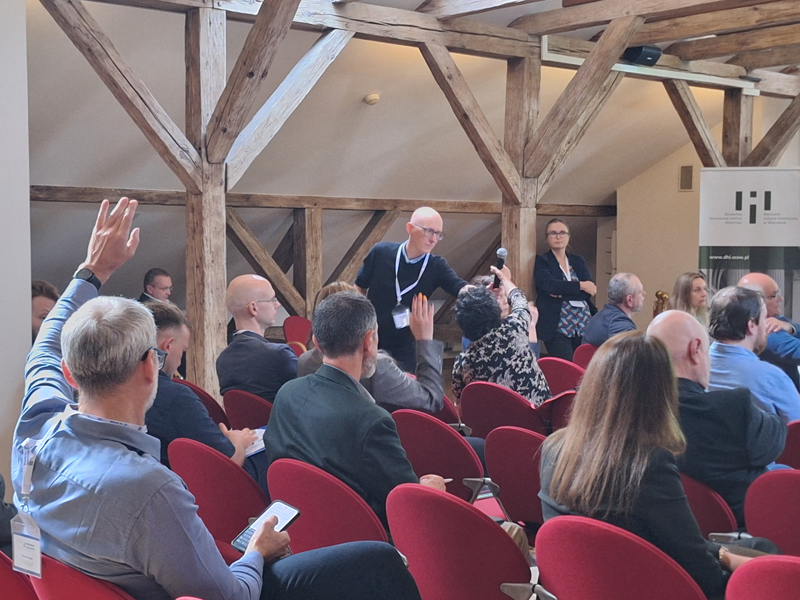
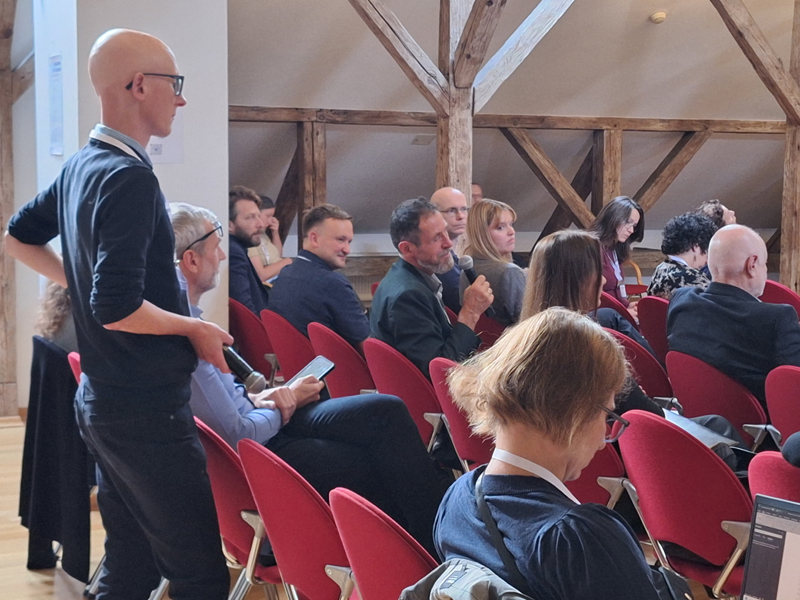
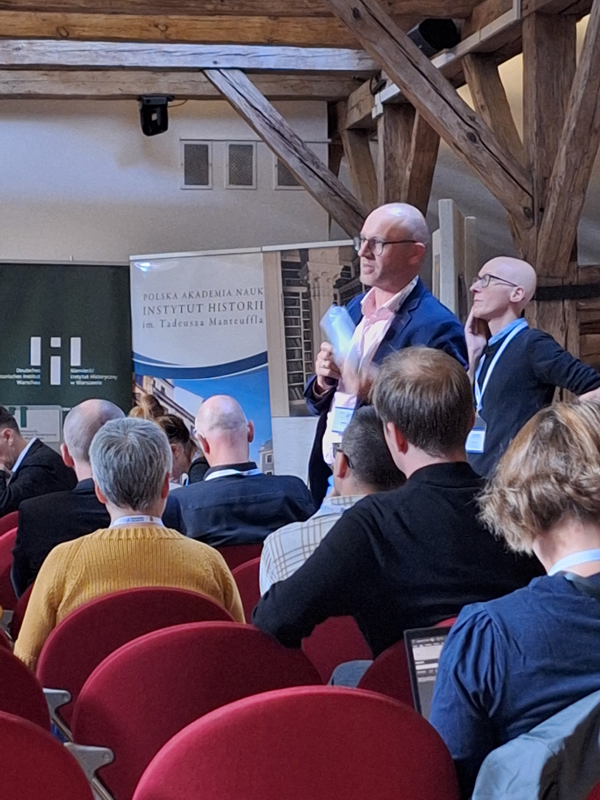
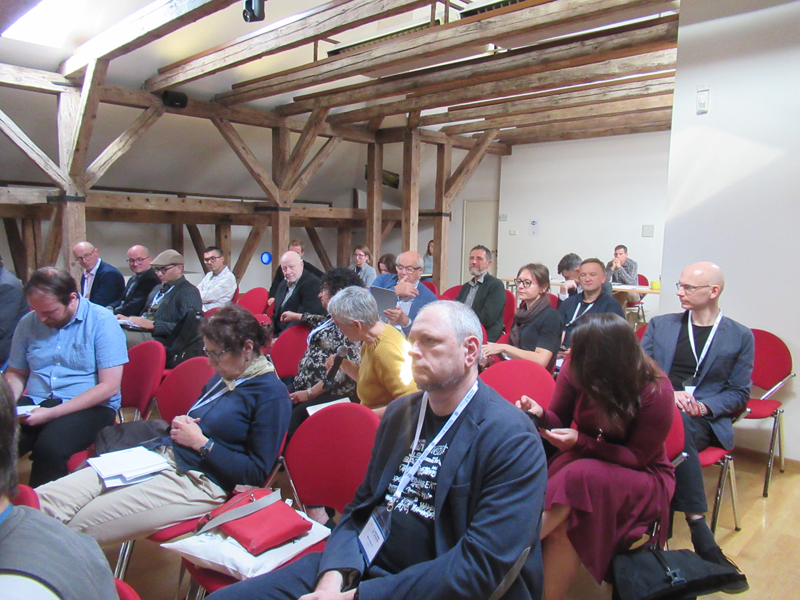
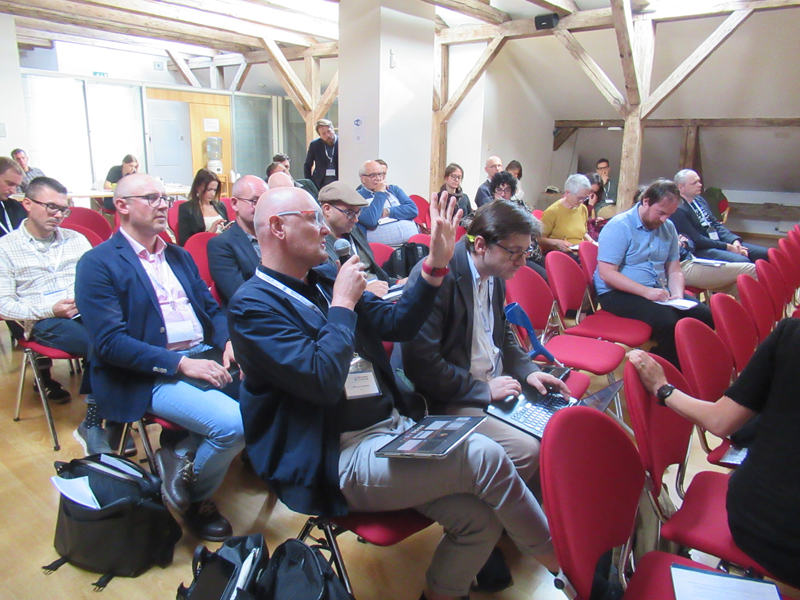
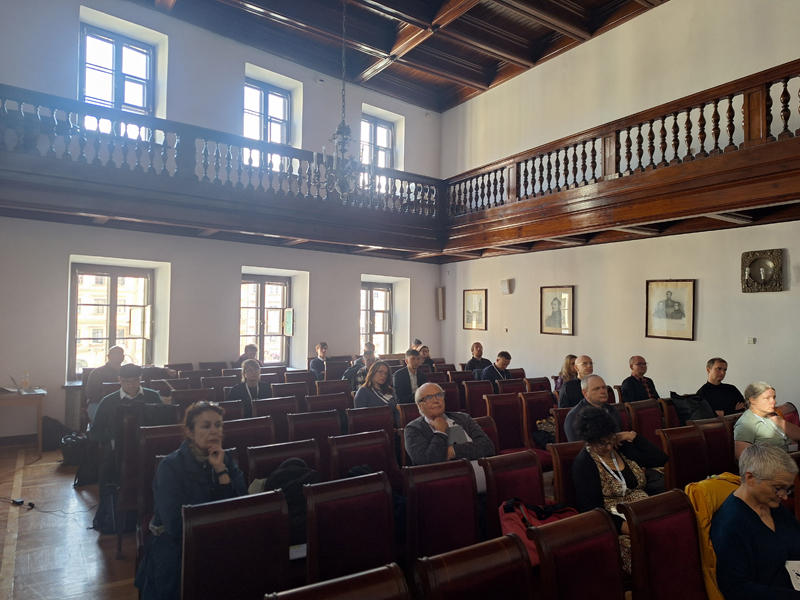
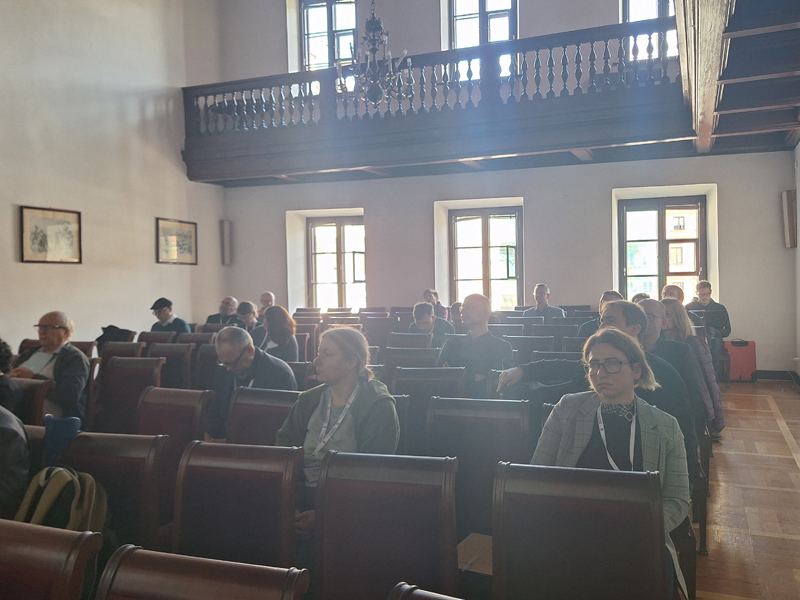
All the sessions attracted considerable interest from both the audience attending in person and those joining remotely. Each session was followed by lively discussions, which often continued informally after the sessions and over dinner.
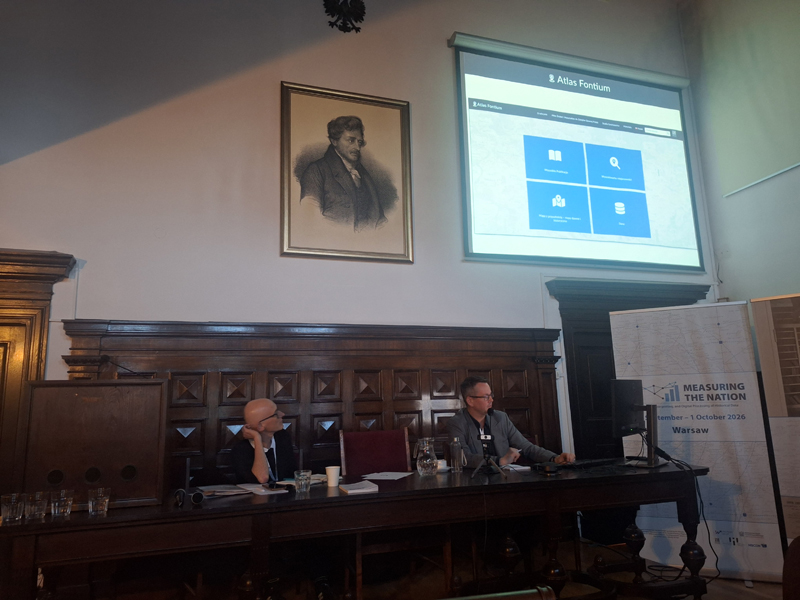
Following the official conclusion of the conference, an additional public engagement session in Polish was held for history teachers. It was co-organised by the Mazovian Local Government Centre for Teacher Training, Warsaw Branch, represented by Ms Małgorzata Glinka. Chaired by Maciej Górny, the session featured presentations by Michał Raczkowski, who introduced the Online Atlas of Independent Poland; Adrianna D. Sznapik and Piotr Jaskulski, who discussed the use of AI in historical research; and following a short break, Michał Gochna, who presented Atlas Fontium and other digital resources developed by the Institute of History of the Polish Academy of Sciences. The event also included a practical workshop for teachers, giving participants the opportunity to explore the digital tools and resources available from the Institute of History of the Polish Academy of Sciences.
Galeria zdjęć
Funded by @MNISW_GOV_PL
